Video has become one of the most powerful tools in digital marketing. It’s not just an option anymore—it’s an expectation. Customers across industries now consume more video content than ever, whether through social media feeds, websites, or product pages. Businesses that fail to embrace this medium risk losing attention in a world where engagement and storytelling drive conversions.
We’ve seen how businesses transform their online presence once they start using video strategically. From boosting website dwell time to improving customer trust, the impact of video is undeniable. Let’s break down why being on camera is no longer optional, but essential.
Why Video Outshines Other Content
Text and images have their place, but video dominates because it’s dynamic, immersive, and easy to digest. Studies show that people retain 95% of a message when they watch it in a video compared to only 10% when reading it in text.
But it’s not just about memory retention. Video appeals to multiple senses at once—sight, sound, and sometimes even emotion through music and tone. It blends storytelling with information delivery in a way no other medium can match.
Quick facts:
- Websites with video are 53 times more likely to rank on the first page of Google.
- Social video generates 1200% more shares than text and image content combined.
- Landing pages with video can increase conversions by up to 80%.
These numbers explain why businesses across every industry are investing in video as a cornerstone of their content strategy.
Building Trust Through Visibility
Trust is the cornerstone of every business relationship. Customers want to know who they’re buying from, and video provides that visibility. By putting real people—owners, employees, even satisfied customers—on screen, businesses humanize their brand.
Think about it: would you trust a faceless company more than one that shows its team explaining their product? Authentic, unscripted moments in video content go a long way in building credibility.
And trust doesn’t just matter in B2C spaces. In B2B, buyers are making complex decisions and often need to feel confident about the people behind the solution. Just as aligning sales and marketing ensures lead quality, aligning video with brand voice ensures customer confidence.
Video as a Sales Accelerator
The sales funnel thrives on communication. Video helps move prospects down that funnel faster by answering questions before they even need to be asked.
A product demo, for instance, eliminates confusion by showing features in action. A customer testimonial provides social proof, reducing hesitation. Even short-form video ads can trigger curiosity and drive immediate action.
Consider these uses:
- Top of Funnel: Short, engaging social clips to spark awareness.
- Middle of Funnel: Explainer videos that dive into benefits and problem-solving.
- Bottom of Funnel: Personalized video messages or in-depth product walkthroughs to seal the deal.
Every stage of the funnel can benefit from tailored video, and when done right, it reduces friction in decision-making. Much like how well-qualified leads reduce wasted effort in sales, well-crafted video content reduces hesitation in buyers.
Platforms Driving the Video Boom
Not all platforms are created equal, and understanding where your audience consumes video is crucial. Social media channels have become the most visible stage for brands, with TikTok, Instagram Reels, and YouTube Shorts dominating the short-form video space. These quick, trend-driven clips grab attention within seconds and are perfect for sparking interest.
At the same time, YouTube remains the undisputed leader for long-form video, offering room for in-depth tutorials, product reviews, and storytelling that builds stronger connections. Websites and landing pages also benefit enormously from embedded videos, which keep visitors engaged for longer and help them grasp products or services more quickly. Even email campaigns are evolving to include video, with studies showing that adding a short clip can significantly increase click-through rates.
The right choice of platform ultimately depends on your audience. A thoughtful explainer uploaded to LinkedIn may perform brilliantly for B2B buyers, while that same content would struggle to make an impact on TikTok. Recognising the strengths of each channel allows businesses to tailor their video strategy in a way that reaches people where they already are.
Making Video Content Feel Authentic
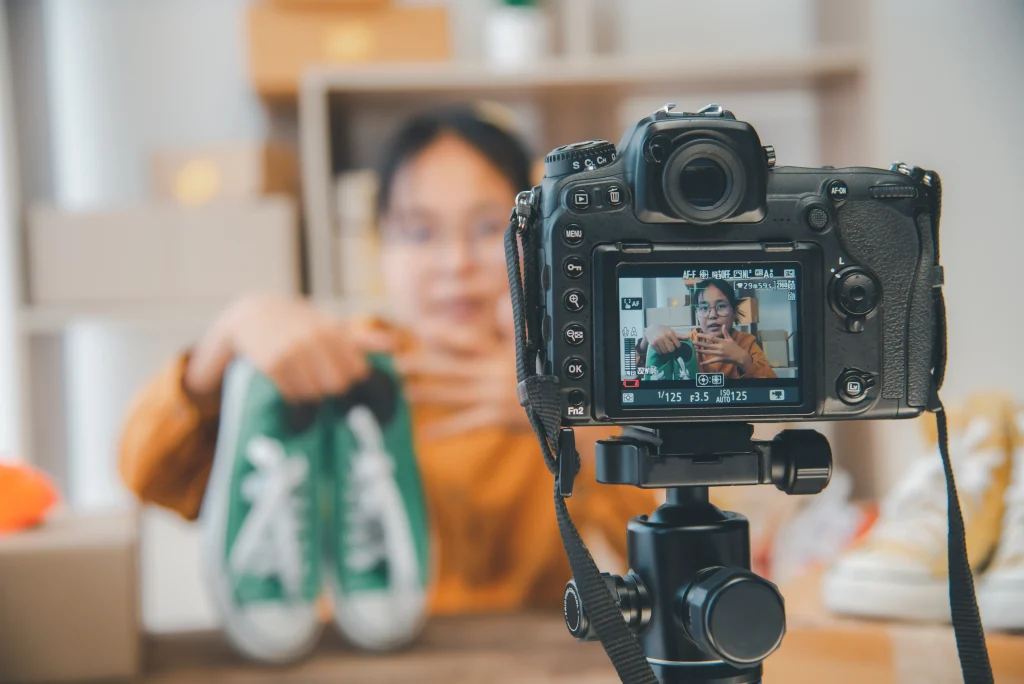
Polished production certainly has its place, but audiences are increasingly drawn to authenticity. The videos that resonate most often feel personal and genuine, whether it’s a behind-the-scenes look at daily operations, a founder casually sharing insights, or a quick message recorded on a smartphone.
Authenticity doesn’t mean unprofessional. Basic elements like good lighting, clear sound, and stable framing still matter. What sets authentic content apart, however, is the tone. When businesses avoid jargon and speak in a natural, conversational way, it creates the sense of a one-to-one exchange rather than a rehearsed performance.
Real people, real moments, and real voices go further than stock footage ever could. Customers want to connect with the people behind the brand, not just the product itself. Striking that balance—professional enough to reflect credibility, but human enough to feel relatable—is what makes authentic video content stand out.
The Future Belongs to Video-First Brands
Video isn’t just a passing trend. It’s shaping how consumers research, connect, and buy. Businesses that embrace it are seeing more engagement, stronger customer relationships, and faster conversions. Those that resist risk being left behind.
The reality is clear: today’s digital landscape is about visibility, trust, and storytelling. Video provides all three. When businesses treat video with the same strategic alignment they apply to sales and marketing collaboration, growth becomes more predictable.
We know the shift can feel daunting. Creating, editing, and publishing video takes time and planning. But the returns far outweigh the effort. For businesses serious about thriving in a competitive marketplace, being on camera isn’t just beneficial—it’s necessary.
And that’s where we come in. We’ve seen how businesses transform when they integrate video into their strategies, and we’re ready to help others do the same. From planning content that speaks directly to your audience to ensuring every video drives measurable results, we believe video is the missing piece for businesses ready to accelerate growth.