What is Infrastructure Management?
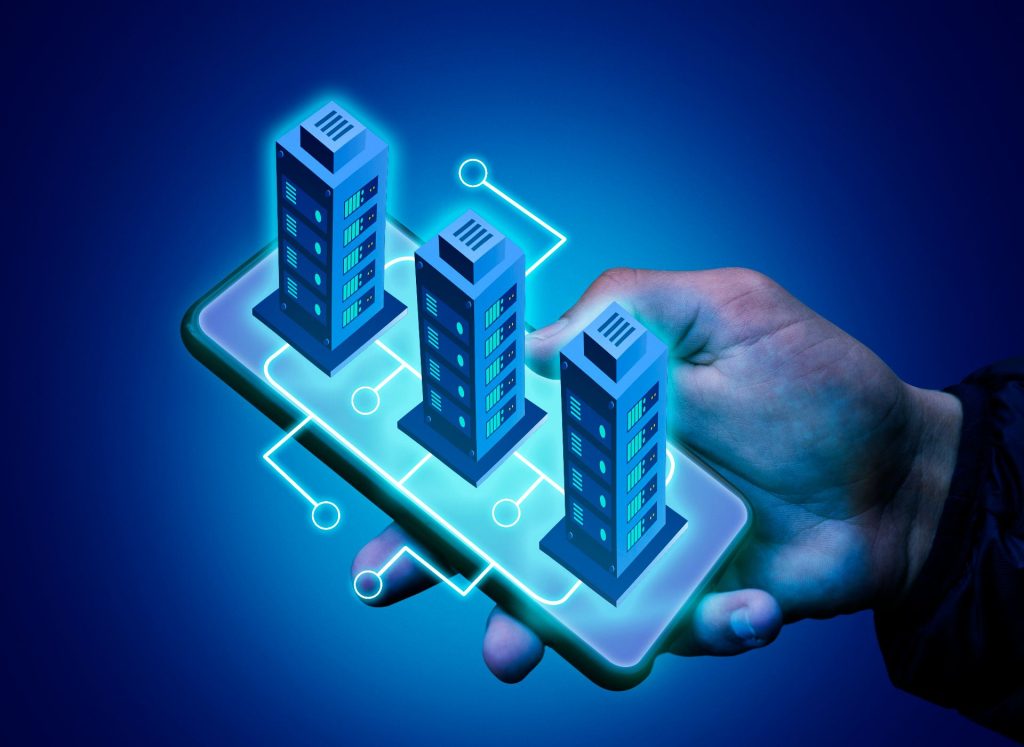
Managing and monitoring the entirety of a system’s lifecycle becomes imperative to ensure its seamless functionality. Organizations are thus compelled to establish a framework for continuous management of their underlying IT infrastructure.
In the realm of IT, infrastructure includes the hardware, software, and various systems essential for delivering IT services in alignment with service-level agreements (SLAs). Managing IT infrastructure involves more than just technical parts. It includes organizing rules, processes, and data and working with external partners like vendors and security organizations. This comprehensive approach is crucial for making sure IT services run smoothly and efficiently.
This blog delves into the various aspects of IT infrastructure management, examining its details, best practices, and its important role in keeping businesses running well.
Understanding infrastructure management is simplified when categorized into three main areas:
Storage Management:
- Involves critical tasks such as backup and recovery.
- Encompasses capacity planning to ensure optimal resource allocation.
- Includes monitoring storage performance for efficiency.
System Management:
- Encompasses tasks like the installation of updates to maintain system security.
- Involves continuous monitoring of system performance for optimal functionality.
- Includes the setup and management of user accounts for streamlined operations.
Network Management:
- Encompasses tasks such as configuring network devices for seamless communication.
- Involves the installation of firewalls to enhance network security.
- Includes monitoring network traffic and troubleshooting connectivity issues for uninterrupted operations.
Components of Managing IT Infrastructure
1. Hardware Platforms
Hardware components including laptops and desktop computers but also extending to the robust server machines and mainframes. Client machines cater to individual users, for day-to-day computing needs, while server machines and mainframes are the backbone of larger-scale operations, facilitating centralized data storage, and network management.
2. Operating Systems
Operating systems constitute the second essential component of IT infrastructure. Diverse and pivotal, operating systems play a crucial role in managing and coordinating various hardware resources to ensure seamless functionality. Widely recognized systems such as Windows and Mac OS.
3. Software Applications
This approach is crucial for keeping the IT environment organized and efficient. It ensures that both the physical infrastructure and essential software applications work together seamlessly, contributing to ongoing operational success.
4. Data Storage
A fundamental responsibility within IT infrastructure management involves overseeing and managing data storage components. IT organizations bear the responsibility of ensuring seamless coordination between hardware and software aspects, guaranteeing efficient data storage and retrieval processes.
5. Network and Communication
IT infrastructure management also includes the internal network of the IT organization. This covers a spectrum ranging from virtual network software like Microsoft Windows Server to the tangible elements of the telecommunications infrastructure, such as telephones, routers, and wiring. Comprehensive oversight of both virtual and physical components ensures the smooth operation and connectivity of the internal network.
6. Internet Platforms
The infrastructure related to the Internet is intricately connected to the networking and telecommunications elements of IT infrastructure. This includes websites hosted on either internal or external servers, web applications based in the cloud, tools for web software development, and services for web hosting. All these components collectively form an integral part of the broader IT infrastructure.
Benefits of Infrastructure Management
Proactive Maintenance – This technology empowers businesses to predict when maintenance or replacement is needed instead of waiting for issues to arise. By being proactive in addressing potential issues, businesses can reduce the chances of unplanned outages and minimize unproductive downtime.
Cost Effective – With this approach, businesses gain better visibility into all their assets, including hardware, software, and data. By utilizing real-time asset performance management tools, businesses can reduce purchasing and usage costs considerably.
Business Continuity – IT infrastructure management guarantees business continuity by avoiding downtime and data loss. It enables swift responses in emergencies or operational interruptions. The focus is on preventing outages, minimizing downtime, and ensuring consistent business productivity 24/7.
Employee Efficiency – Infrastructure management empowers employees to opt for more efficient production methods by providing accurate information. This allows them to streamline workflows more effectively. By ensuring high levels of employee productivity, the positive impact extends to enhanced customer satisfaction.
Monitor – Keep a vigilant eye on endpoints, devices, systems, and networks to catch and stop breaches, attacks, or hacking attempts before they cause harm. This proactive monitoring approach enhances security, ensuring a safer digital environment.
IT infrastructure management emerges as a vital factor for businesses navigating the complexities of the digital landscape. Its multifaceted role is integral to sustained operational success. The ability to predict and prevent issues, coupled with cost reduction through enhanced visibility, underscores the strategic advantage of adopting infrastructure management services.
Moreover, the impact extends beyond the internal workings of a company, influencing employee productivity and, ultimately, customer satisfaction. By safeguarding against potential threats and optimizing workflows.
As businesses continue to evolve, embracing the transformative power of effective infrastructure management becomes not just a choice but a strategic imperative for success in the digital age.